High-Quality Bunker Manufacturing
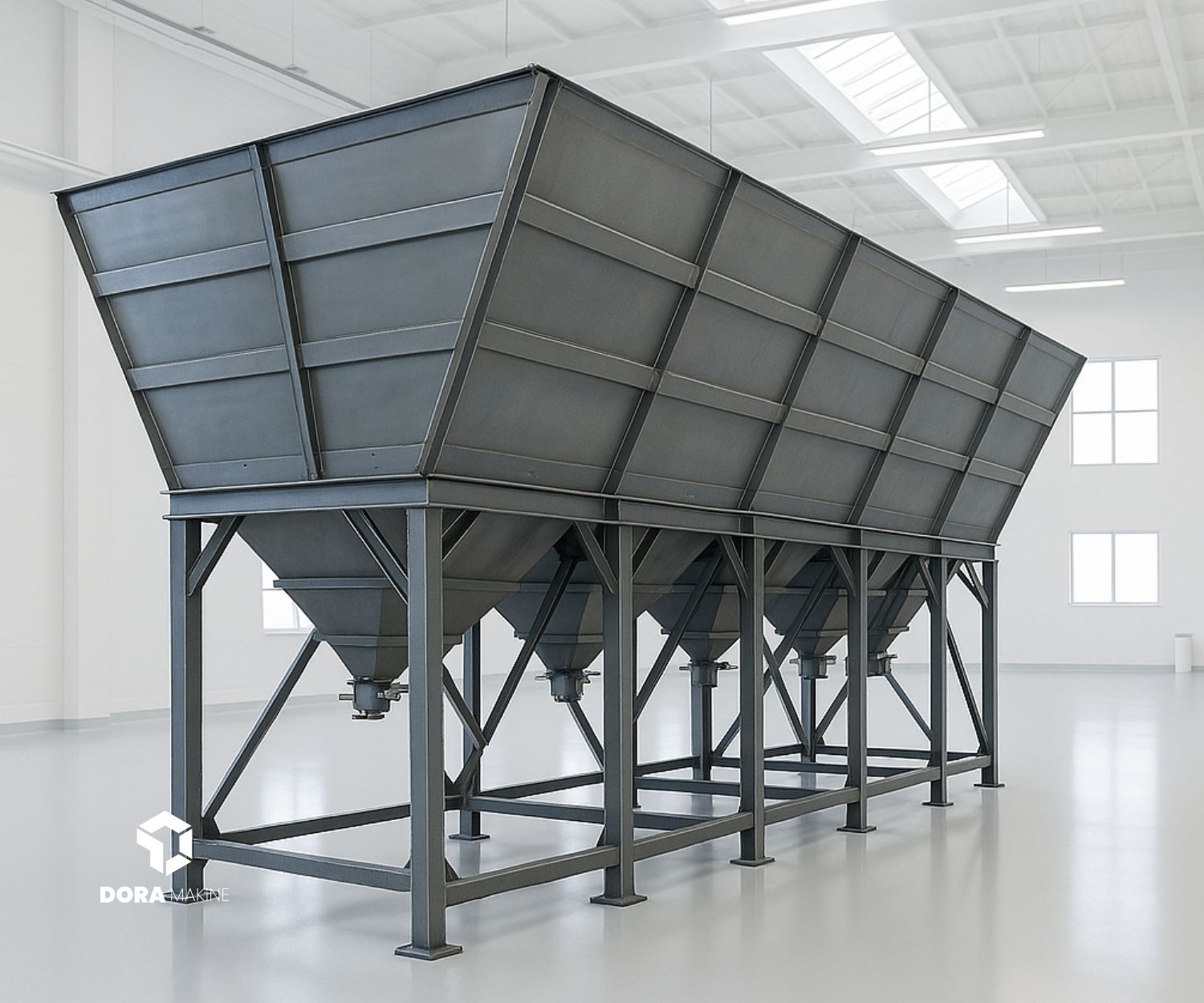
As Dora Makine, we manufacture bunkers used in food, chemical, cement, and other industrial plants with high quality and expertise. Bunkers are critical equipment for the efficient management of industrial processes and offer long-lasting and reliable solutions when produced with the right materials and craftsmanship.
Customized Solutions
Every sector and area of use has its own unique needs. As Dora Makine, we offer customized solutions to our customers and manufacture all types of personalized bunkers in line with their demands. By designing and producing according to industrial needs, we provide the most efficient and suitable solution for each project.
Sektörel Uygulamalar
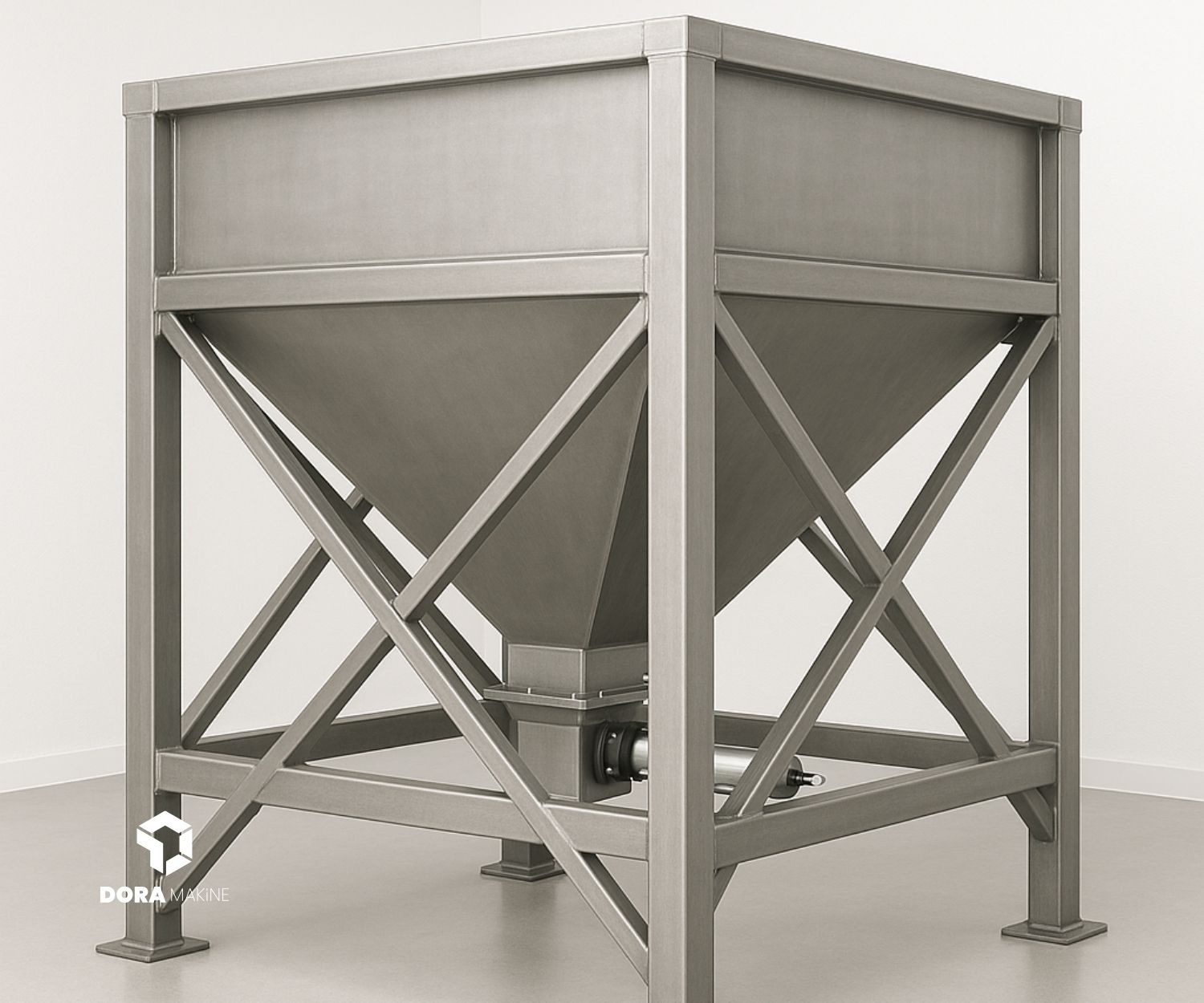
- Food Industry: Stainless steel bunkers for material storage and transport under hygienic conditions.
- Chemical Industry: Special designs for corrosive and high-temperature resistant materials.
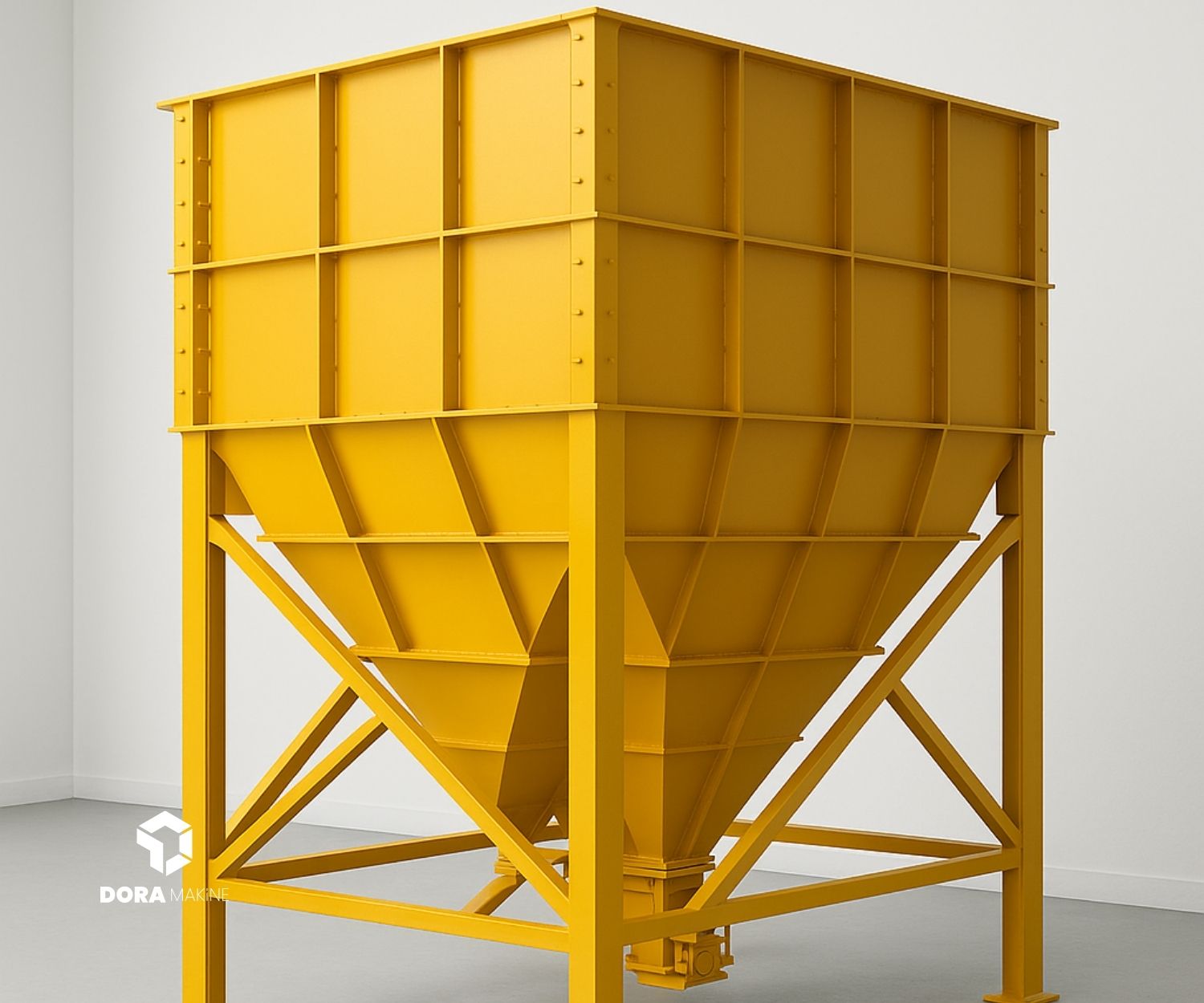
- Cement Industry: Bunkers made of high-strength steels with heavy load-bearing capacity.
Excellence-Oriented Production
As Dora Makine, we prioritize quality at every stage, working meticulously from the production process to assembly. Starting from the design phase, our engineering team examines each project in detail and considers every element, from the most suitable material selection to the most efficient production methods.
As Dora Makine, we prioritize quality at every stage, working meticulously from the production process to assembly. Starting from the design phase, our engineering team examines each project in detail and considers every element, from the most suitable material selection to the most efficient production methods.
Bunker imalatı konusunda uzman kadromuz, güçlü teknik altyapımız ve sektörel deneyimimizle, sizlere güvenilir ve uzun ömürlü çözümler sunmaktadır. Projelerinizin her aşamasında yanınızda olarak, endüstriyel ihtiyaçlarınıza yönelik çözümler üretmeye devam ediyoruz.
Dora Makine Bunker İmalatı ile ilgili daha fazla bilgi almak ve özelleştirilmiş çözümler için bizimle iletişime geçebilirsiniz.
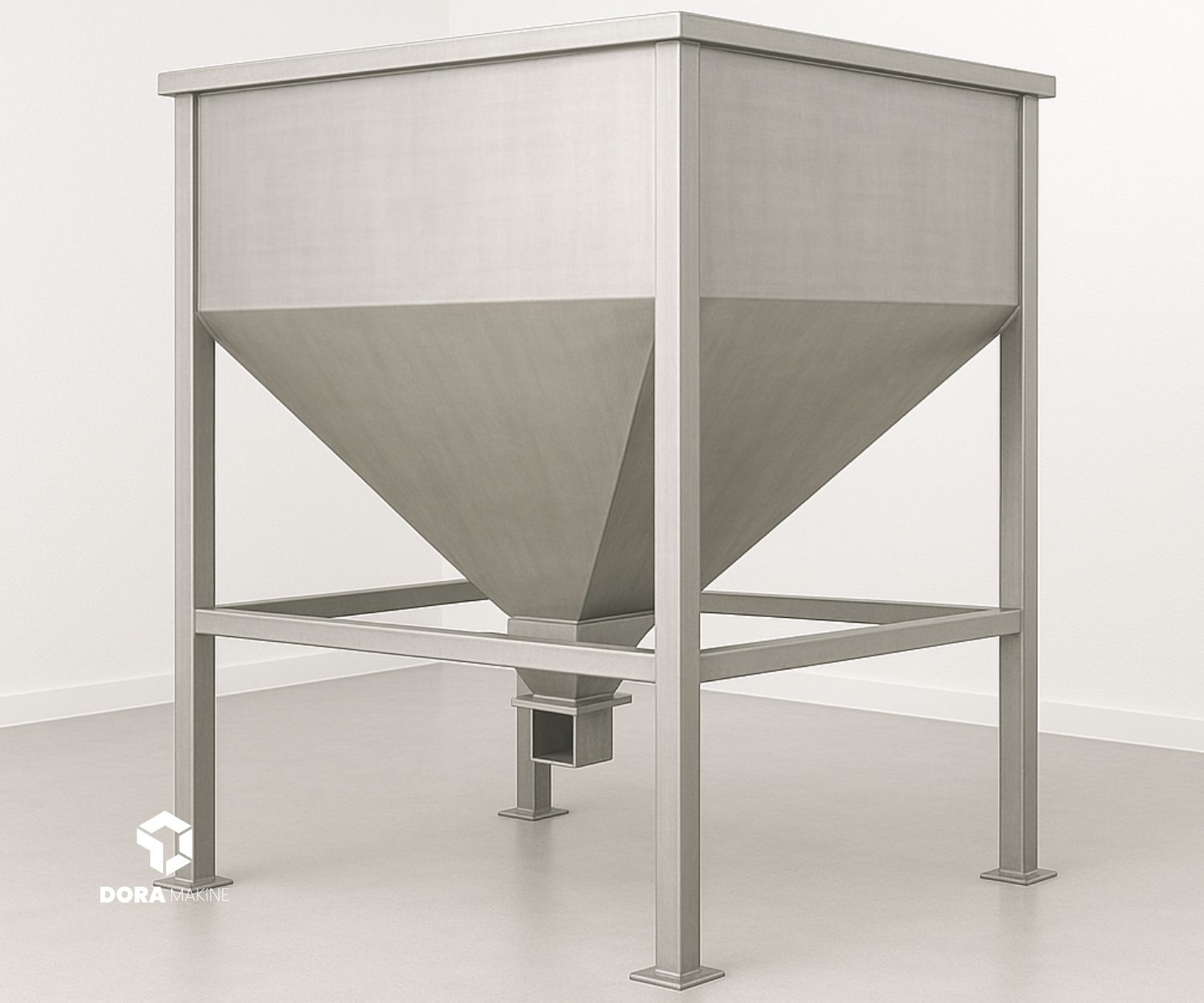
Quality and Durability in Bunker Manufacturing
Bunker manufacturing is a critical process for industrial plants and infrastructure projects. These structures, especially when used for material storage, transport, and processing, must be of high quality and durability. So, how do we ensure quality and durability in a bunker design? First and foremost, design and material selection play a major role in the longevity of these structures. Frequently, bunkers require heavy load-bearing capacity and resistance to harsh environmental conditions. Therefore, the correct selection of materials used to build robust structures is vital.
Quality is directly related not only to aesthetics or ease of use but also to long-term durability. The durability of bunkers depends on the type of material used, the design, and the production process. For example, concrete, steel, and composite materials are the most common material types used for these structures. Each material has different advantages and disadvantages. Concrete bunkers are durable and strong, but issues such as cracking and water leakage may arise over time. Steel bunkers stand out with their corrosion-resistant properties, but they can weaken under extreme conditions such as high temperatures and acidic environments. Composite materials offer lightness and corrosion resistance, though they may be higher in terms of cost.
As a result, ensuring quality in bunker manufacturing depends not only on material selection but also on correct design and assembly techniques. Strict quality control tests and detailed engineering calculations ensure that the structures are durable and can withstand even the harshest conditions. What matters here is combining the right materials and production techniques by accurately understanding user needs.
Özelleştirilmiş Bunker Tasarımları ve Sektörel Uygulamalar
Bunker manufacturing can be customized to serve different needs in every sector. Customized bunker designs play a critical role in providing solutions suitable for diverse industrial requirements. However, each sector has its own specific needs. For instance, while compliance with hygiene standards and ensuring ease of cleaning are paramount for bunkers used in the food industry, durability and high carrying capacity come to the fore in the mining and construction sectors.
So, what should be considered in sector-specific bunker designs? First of all, the purpose of the bunkers must be determined. For bunkers used in the food industry, additional features can be added to ensure moisture and temperature balance. Temperature and humidity sensors integrated into such bunkers are essential to prevent the materials inside from spoiling. For bunkers designed for the mining industry, in addition to carrying capacity, it is important to use materials that are resistant to abrasive materials, especially those with high corrosion resistance.
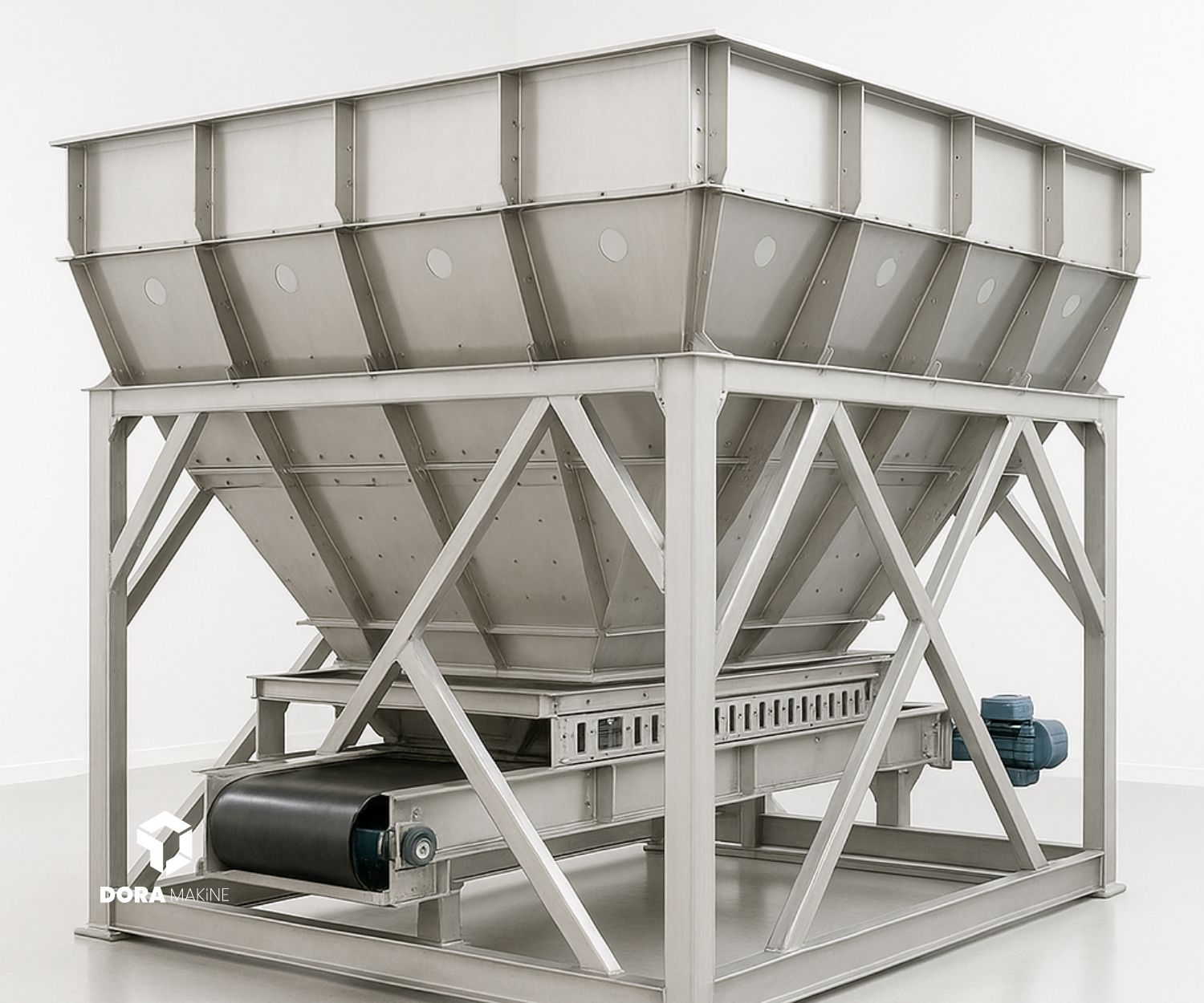
Additionally, customized bunkers may include various modifications to facilitate transport and loading processes. For example, loading ramps compatible with forklifts and transport vehicles can be added to some bunkers. This increases warehouse space efficiency while also reducing labor costs. Applications in various sectors may require bunkers to be in different sizes, shapes, and materials. This flexibility is a key factor that ensures maximum efficiency in industrial plants.
Bunker İmalatında Kullanılan Malzeme Türleri
Materials used in the manufacturing of bunkers are significant elements that directly affect the durability, safety, and service life of the structures. Steel, concrete, aluminum, and composite materials are commonly used in bunker construction. So, what are the advantages and disadvantages of each material? Advanced engineering knowledge plays an important role in the correct selection of materials.
Steel bunkers are generally preferred due to their high durability and flexibility. Steel is particularly suitable for bunkers carrying heavy loads and performs well under harsh conditions such as high temperatures. However, the greatest risk for steel bunkers is the possibility of corrosion and rusting. Therefore, it may be necessary to apply anti-corrosion coatings or galvanization processes to steel bunkers.
Concrete, on the other hand, is another important material known for its durability. There is great demand for concrete bunkers as structures that offer robustness and safety in storage areas. The weak points of concrete are its heavy structure and, particularly, water leakage issues. For this reason, waterproof coatings should be applied to concrete bunkers, and a solid foundation must be established. The strength of concrete provides a significant advantage, especially in sectors such as transportation and heavy industry.
Aluminum and composite materials are generally preferred for being lightweight and corrosion-resistant. Aluminum bunkers are needed especially in smaller-scale facilities or maritime environments where weight restrictions exist. Aluminum withstands corrosive environments like seawater better. Composite materials, on the other hand, stand out with their lightness and flexibility, but they are generally more expensive.
Bunker Manufacturing Process: From Design to Assembly
The bunker manufacturing process consists of several important steps from the design phase to the assembly phase. Each stage is of great importance in terms of the safety, durability, and efficiency of the bunkers. In the design of bunkers, detailed engineering calculations are primarily made by taking into account the type of material to be used, capacity requirements, environmental conditions, and specific needs.
In the design phase, before starting the design of the bunkers, engineers must clearly understand the targeted area of use and the needs of the customer. By conducting various simulations and tests, it is possible to determine the most suitable design. During this process, important elements such as durability, waterproofing, and load-bearing capacity must be taken into account.
Once the design is approved, the production process begins. Here, bunkers are produced in accordance with the design using the selected materials. In this process, high-quality craftsmanship and careful assembly are required. Throughout the production and assembly process, quality control tests must be conducted, and engineering standards must be followed at every step.
The final stage is assembly. Bunkers are installed on-site and subjected to final tests. These tests should be aimed at checking whether the entire system operates correctly, its durability, and its safety. All these stages ensure that the bunkers are utilized with high quality and in a durable manner.
The Role and Importance of Bunkers for Industrial Plants
Bunkers are of critical importance for optimizing material storage and transportation processes in industrial plants. So, why are bunkers so vital for an industrial facility? These structures are used especially in plants that store large quantities of materials and products, helping to increase operational efficiency. In industrial plants, bunkers are one of the most important components of material handling, classification, and storage systems.
The role of bunkers in industrial plants is not limited to storage alone. At the same time, they ensure that products are transported correctly, thereby increasing efficiency in the production process. For example, in the mining sector, raw material bunkers enable the fast and efficient transfer of materials to processing plants. In the chemical industry, specialized material bunkers can ensure the safe storage of hazardous products.
As a result, bunkers are important structures that not only increase efficiency but also ensure the safe and sustainable operation of industrial plants. Careful planning and engineering are required in both the design and production stages. The use of bunkers in industrial facilities is essential for providing high-capacity solutions and long-term efficiency.